
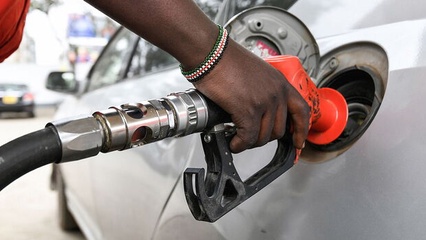
Kenyan motorists and businesses that rely on diesel are set to get a small reprieve after the Energy and Petroleum Regulatory Authority (EPRA) cut the price of diesel by KSh5 per litre.
The new prices take effect at midnight on August 15, 2026, and will remain in force until September 14, 2026, as part of EPRA’s latest monthly review.
In Nairobi, diesel will now sell at a maximum of KSh217.86 per litre, down from KSh222.86.
The price of Super Petrol remains at KSh214.03 per litre, while kerosene stays at KSh191.38 per litre in the capital.
Diesel users get the biggest relief
The reduction will be particularly welcome to motorists, public transport operators, farmers and businesses that depend heavily on diesel.
Diesel is widely used not only in vehicles but also in generators, agricultural machinery, construction equipment and commercial transport. A reduction at the pump could therefore provide some relief to businesses dealing with high operating and transportation costs.
However, the extent to which the reduction will translate into cheaper transport and goods will depend on how quickly businesses pass the savings on to consumers.
What pushed diesel prices down?
EPRA’s latest review shows that the cost of imported diesel fell considerably during the period under consideration.
The average landed cost of diesel dropped from US$984.37 per cubic metre in June to US$855.59 in July, representing a decline of about 13.08 per cent.
Kerosene also recorded a significant reduction in its landed cost, while petrol moved in the opposite direction.
The average landed cost of Super Petrol increased by 6.99 per cent, rising from US$836.92 to US$948.92 per cubic metre.
Despite the increase in petrol’s import cost, motorists will not face a higher pump price in the latest cycle.
Government support cushions fuel prices
Government intervention has also played a role in keeping the latest pump prices under control.
EPRA indicated that KSh938 million has been provided through fuel stabilisation measures to cushion consumers from changes in international petroleum prices.
The intervention is particularly important at a time when movements in global oil markets can quickly translate into higher costs for fuel-importing countries such as Kenya.
Kenya imports its petroleum requirements in refined form, making local pump prices sensitive to international prices, shipping costs and movements in the exchange rate.
Prices differ across the country
The Nairobi figures announced by EPRA represent the maximum prices in the capital. Motorists in other parts of Kenya will pay different amounts depending on their location and the cost of transporting fuel to those areas.
Areas further from major fuel distribution points generally have higher maximum prices because of additional transportation costs.
EPRA’s monthly pricing system is designed to reflect these differences while ensuring that retailers operate within regulated maximum prices.
What this means for Kenyans
For the average motorist, a KSh5 reduction may not appear dramatic. But for businesses and motorists buying hundreds of litres every month, the savings can quickly add up.
A vehicle consuming 100 litres of diesel a month, for example, would save about KSh500 under the new price.
For transport companies, farms, construction firms and other heavy users, the monthly savings could be considerably higher.
For now, diesel users will enjoy the reduction for the next month, while petrol and kerosene prices remain unchanged.
EPRA is expected to conduct its next review before the current pricing cycle expires on September 14, 2026.


Great summary of everything I needed here.